Call For Service
Quality Asheville Electrician Services in NC
Safe, Reliable Power for Every Need
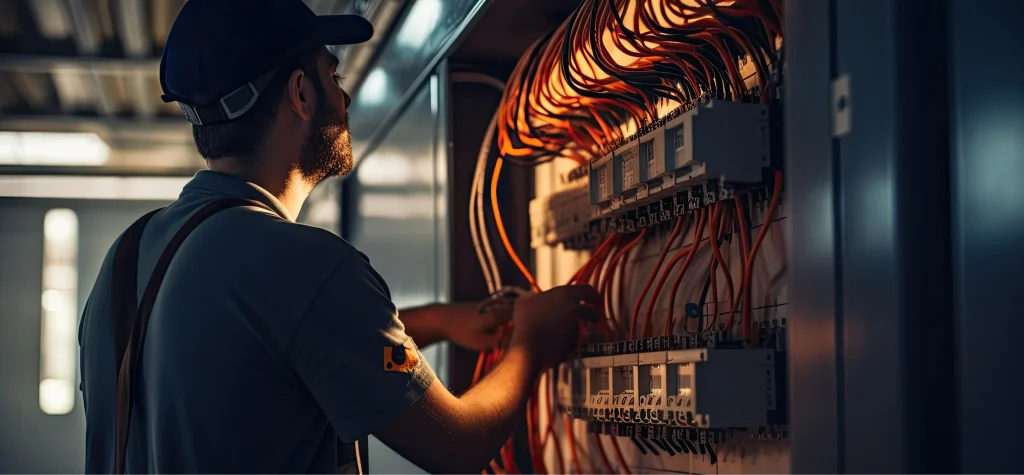
Why Proper Wiring Matters for Modern Homes
Today’s households consume significantly more electricity than properties built even a decade ago. Smart home devices, home offices, electric vehicle charging stations, and energy-intensive appliances create demands that older wiring systems cannot safely accommodate. In the Asheville area, many homes built before the 1990s feature outdated wiring materials and configurations that pose safety risks when overloaded. Aluminum wiring, common in construction during the 1960s and 1970s, expands and contracts differently than copper, leading to loose connections and potential fire hazards. Knob-and-tube wiring found in early 20th-century homes lacks grounding capabilities essential for modern safety standards.
Proper wiring extends beyond simply connecting power sources to outlets. The gauge of wire used determines how much current can flow safely without overheating. Circuit organization affects whether multiple high-draw appliances can operate simultaneously without tripping breakers. Grounding systems protect occupants from electrical shocks by providing safe pathways for fault currents. During Asheville’s humid summers, moisture infiltration can compromise wire insulation, creating short-circuit risks in improperly sealed connections.
Residential properties require different wiring approaches depending on their purpose. Kitchens need dedicated circuits for refrigerators, microwaves, and dishwashers due to their continuous power demands. Bathrooms require GFCI-protected circuits that immediately shut off power when ground faults occur near water sources. Home workshops and garages benefit from 240-volt circuits that support power tools and equipment. Outdoor wiring must withstand weather exposure while maintaining secure connections that prevent moisture penetration.
Recognizing the need for wiring updates protects both property value and occupant safety. Flickering lights when appliances start indicate inadequate circuit capacity. Warm outlet covers suggest dangerous heat buildup from overloaded circuits or loose connections. Discolored switch plates often signal arcing behind the wall that requires immediate attention. A burning smell or buzzing sound from outlets demands professional evaluation before fire risks escalate.
Lighting Solutions That Transform Spaces
Strategic lighting installation affects how spaces function, appear, and feel to occupants and visitors. Poor lighting creates shadows that make tasks difficult, reduces security around property perimeters, and wastes electricity through inefficient fixtures. Modern lighting technology offers solutions that address these challenges while reducing energy consumption and maintenance requirements. LED fixtures use approximately 75 percent less energy than traditional incandescent bulbs while lasting 25 times longer, translating to significant savings over their operational lifetime.
Interior lighting serves multiple purposes beyond basic visibility. Task lighting in kitchens, bathrooms, and workspaces provides focused illumination for detailed activities without creating eye strain. Ambient lighting establishes overall room brightness and atmosphere. Accent lighting highlights architectural features, artwork, or design elements that deserve attention. Recessed LED fixtures offer clean, modern aesthetics while distributing light evenly throughout rooms. In the Asheville region, where older homes feature ornate crown molding and architectural details, proper accent lighting showcases these historic elements.
Outdoor lighting enhances security, safety, and curb appeal simultaneously. Motion-activated fixtures deter unwanted visitors while conserving energy when illumination isn’t needed. Path lighting prevents trips and falls along walkways, driveways, and steps. Landscape lighting showcases gardens and mature trees while extending usable outdoor space into evening hours. Asheville’s mountain setting and seasonal foliage benefit from landscape lighting that adapts to changing vegetation throughout the year. Security lighting around entry points, garages, and blind spots reduces vulnerability to break-ins.
Dimmer switches and smart lighting controls add flexibility to any installation. Adjusting brightness levels creates different moods for various activities without requiring multiple fixture types. Programmable systems turn lights on and off automatically based on schedules or occupancy, reducing energy waste. Smart home integration allows remote control through smartphones, voice commands, or automation routines. These technologies particularly benefit properties with irregular occupancy patterns or homeowners who travel frequently.
Professional installation ensures fixtures receive adequate power supply, proper support, and weatherproof connections where needed. Incorrectly installed fixtures may overheat, fail prematurely, or create fire hazards. Outdoor fixtures require specialized weatherproof enclosures and GFCI protection to operate safely in rain, snow, and humidity. Recessed lighting demands careful placement to avoid contact with insulation that could cause overheating. Ceiling fan installations need reinforced mounting boxes that support dynamic loads safely.
Panel Upgrades for Increased Capacity
The electrical panel serves as the distribution center for all power entering a property, dividing incoming electricity into separate circuits that supply different areas and appliances. Older panels typically provided 60 to 100 amps of service, adequate for homes with basic appliances and fewer electronic devices. Today’s properties commonly require 200-amp service to handle simultaneous operation of HVAC systems, kitchen appliances, home offices, entertainment systems, and electric vehicle chargers without overloading circuits.
Several indicators signal the need for panel upgrades. Frequent breaker trips suggest circuits cannot handle existing electrical loads safely. If you avoid running certain appliances simultaneously to prevent outages, your panel lacks adequate capacity. Adding major appliances, hot tubs, or EV chargers requires dedicated circuits that older panels may not accommodate. Homes with fuse boxes rather than circuit breakers use outdated technology that should be replaced with modern safety features. Corroded connections, rust, or moisture inside panels create dangerous conditions requiring immediate replacement.
Panel upgrades involve more than simply installing a larger box. The service entrance cable connecting your property to utility lines may need upsizing to deliver increased amperage. The meter base might require replacement to accommodate higher service levels. Grounding and bonding systems must meet current code standards to protect against electrical faults. Individual circuit breakers get evaluated and replaced as needed to ensure proper protection for each branch circuit. In Asheville’s older neighborhoods, properties with underground service may need trenching work to install adequate service conductors.
Modern panels incorporate safety features absent from older models. AFCI breakers detect dangerous arcing conditions that cause electrical fires and shut off power before ignition occurs. GFCI breakers provide whole-circuit ground fault protection for bathrooms, kitchens, and outdoor areas. Surge protection breakers guard sensitive electronics from voltage spikes caused by lightning and grid fluctuations. Properly labeled panels allow homeowners and emergency responders to quickly identify and control specific circuits during emergencies.
Timing panel upgrades strategically saves money and disruption. Combining panel work with home renovations, additions, or major appliance installations reduces overall project costs by consolidating electrical work. Addressing panel limitations before they cause equipment damage or safety incidents prevents expensive emergency repairs. Upgraded panels increase property values and appeal to buyers who recognize the importance of adequate electrical infrastructure. During home purchases, inspection reports frequently flag outdated panels as negotiation points that buyers use to reduce offers or demand seller concessions.
Generator Systems for Backup Power
Power outages disrupt daily activities, threaten food storage, compromise security systems, and create discomfort during extreme weather. In the Asheville region, ice storms during winter months and summer thunderstorms frequently cause utility interruptions lasting hours or days. For homes with medical equipment, sump pumps, or temperature-sensitive storage needs, backup power transitions from convenience to necessity. Standby generators automatically detect power loss and restore electricity within seconds, maintaining comfort and functionality without manual intervention.
Choosing appropriate generator capacity requires calculating essential electrical loads. Refrigerators, freezers, and food storage needs typically take priority to prevent spoilage. HVAC systems maintain livable temperatures during extreme weather events. Well pumps provide water for drinking, cooking, and sanitation. Lighting and outlets support basic activities throughout the home. Sump pumps prevent basement flooding during storms. Medical equipment requires uninterrupted power for health and safety. Tallying these loads determines minimum generator capacity, typically ranging from 10 to 22 kilowatts for residential properties.
Standby generators connect directly to natural gas lines or propane tanks, eliminating fuel management during extended outages. Natural gas provides unlimited runtime as long as utility service continues, common even during electrical outages. Propane tanks offer independence from all utility services but require periodic refilling based on usage. Portable generators cost less initially but demand manual starting, outdoor operation, and frequent refueling with gasoline that degrades during storage. For properties requiring reliable backup power, standby systems justify their higher initial cost through convenience and automatic operation.
Professional installation ensures generators operate safely and legally. Transfer switches prevent backfeeding that could electrocute utility workers repairing power lines. Proper placement maintains required clearances from windows, doors, and air intakes to prevent carbon monoxide infiltration. Concrete pads provide stable mounting that reduces vibration and settling. Weatherproof connections protect electrical and fuel systems from moisture damage. Local permits and inspections verify compliance with building codes and manufacturer specifications.
Maintenance keeps generators ready for service when needed. Annual inspections verify battery charge, oil levels, coolant condition, and fuel system integrity. Exercise cycles run generators under load periodically, preventing mechanical problems from extended dormancy. Filter replacements and spark plug changes maintain efficient operation. Transfer switch testing confirms automatic activation occurs properly during simulated outages. Neglected generators frequently fail during actual emergencies when they’re needed most, making preventive maintenance essential for system reliability.
EV Charging Installation for Electric Vehicles
Electric vehicle adoption continues accelerating as manufacturers expand model offerings and charging infrastructure improves. While public charging stations serve occasional needs, home charging provides convenience and cost savings for daily use. Standard household outlets deliver slow Level 1 charging that adds only three to five miles of range per hour, requiring overnight sessions to fully charge depleted batteries. Level 2 charging stations operating at 240 volts provide 25 to 35 miles of range per hour, fully recharging most vehicles during typical overnight periods.
Installing dedicated EV charging circuits requires evaluating existing electrical capacity and infrastructure. A 200-amp service panel typically accommodates a 40 or 50-amp charging circuit without upgrades, assuming sufficient spare capacity after accounting for existing loads. Properties with 100-amp service usually need panel upgrades before adding EV charging to avoid overloading the system. The charging location affects installation complexity and cost. Garages with nearby panel access require minimal wiring runs. Outdoor charging locations need weatherproof enclosures and additional conduit. Properties with detached garages may require underground conduit runs or panel subfeeds.
Charging station selection balances features, compatibility, and budget. Basic models provide reliable charging without connectivity features, ideal for straightforward installations. Smart chargers offer Wi-Fi connectivity, scheduling capabilities, and energy monitoring through smartphone apps. Some utilities provide time-of-use rates that reduce charging costs during off-peak hours, making scheduling features valuable for maximizing savings. Hardwired installations provide permanent solutions without plug connections that could loosen over time. Plug-in models offer portability if you change vehicles or relocate.
Permits and inspections ensure charging installations meet electrical codes and safety standards. Dedicated circuits require proper wire sizing based on charger amperage and run distance. GFCI protection prevents shock hazards in garage and outdoor locations. Proper mounting height and location maintains accessibility while preventing damage from vehicles or equipment. In Asheville’s climate, outdoor installations need weatherproof enclosures rated for temperature extremes and precipitation. Load calculations verify the electrical system can support charging loads without compromising other household circuits.
CPG Electric brings extensive experience installing modern electrical solutions that meet the evolving needs of residential and commercial properties throughout the region. Their licensed technicians understand the specific challenges posed by Asheville’s mix of historic homes and contemporary construction, from upgrading outdated wiring systems to installing cutting-edge EV charging infrastructure. Whether you need panel upgrades to support increased electrical demands, generator systems for reliable backup power, or professional lighting installations that enhance security and aesthetics, their team delivers safe, code-compliant solutions backed by quality workmanship. With a commitment to clear communication and timely service, they ensure every electrical project protects your investment while providing the functionality modern properties require. When electrical issues arise or you’re planning system improvements, trust professionals who prioritize safety, reliability, and customer satisfaction in every installation and repair.